
Vietnam safety and scams: prepare, prevent and respond
A proportionate Vietnam safety plan for theft, transport, cards, nightlife, roads, weather, lost documents and emergency response.
10 minute read · Updated
How this guide is researched and reviewed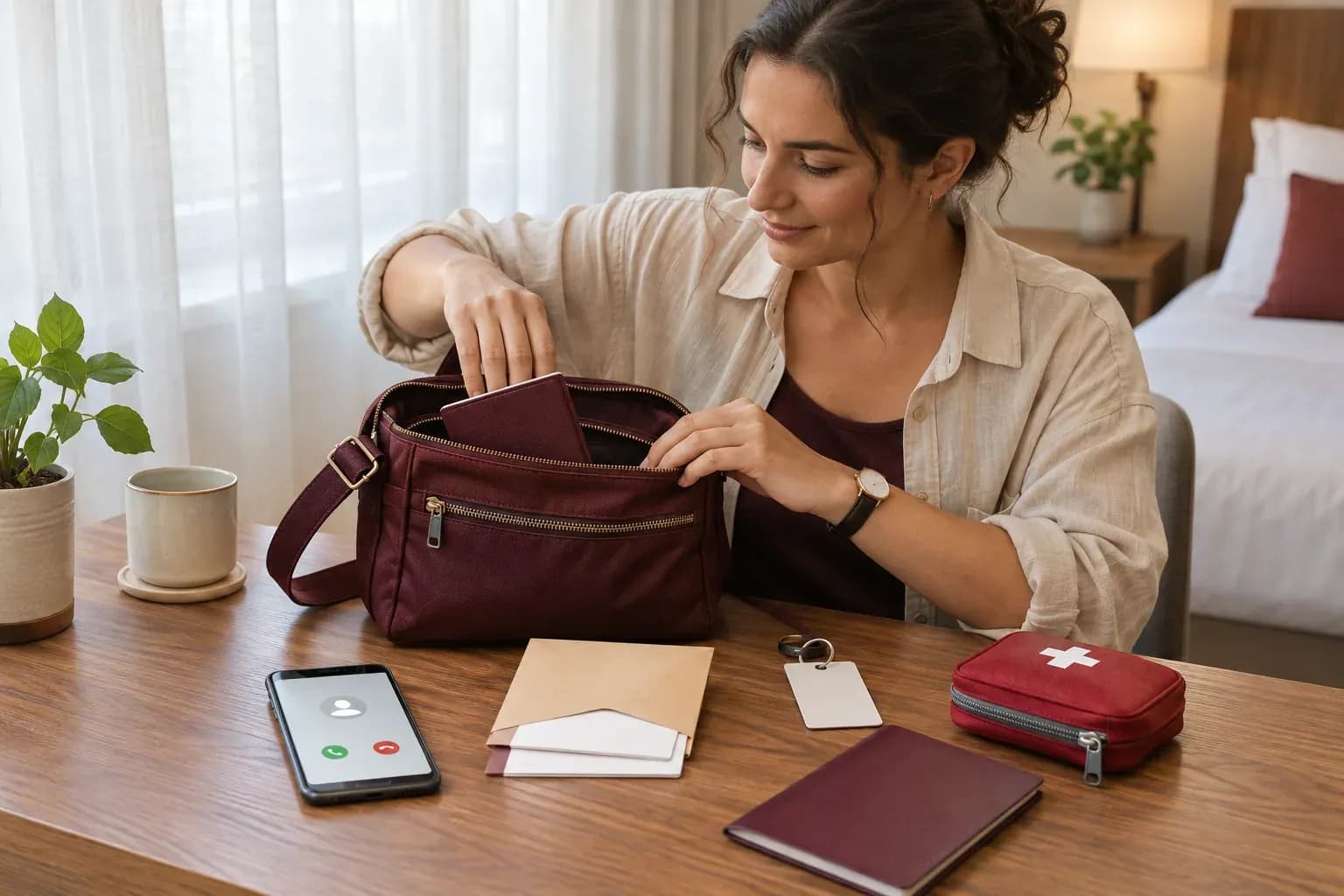
Keep phones and bags away from the traffic side and avoid fighting for property.
Match the plate, driver and vehicle to the verified booking.
Keep secure copies and never leave the original passport as rental collateral.
Save 112, 113, 114 and 115 plus Vietnamese-language location support.
Quick answer
Vietnam is widely visited, but petty theft, bag snatching, transport impersonation, payment scams and road risk deserve practical preparation. Carry fewer exposed valuables, verify every ride, keep cards and documents backed up separately, follow official weather and licensing advice, and know how to freeze accounts, report an incident and reach emergency or consular help.
Respond to the problem in the right order
Personal safety and access recovery come before replacing money or continuing the itinerary.
| Problem | First action | Then | Keep |
|---|---|---|---|
| Phone or wallet theft | Move safe and lock accounts | Police, insurer and recovery contact | Timeline and transaction records |
| Lost passport | Secure copies and report locally | Contact embassy or consulate | Police report and travel evidence |
| Road accident | Medical and scene safety | Police, insurer and legal support | Photos, reports and receipts |
| Unsafe weather | Follow authority instructions | Contact operator and insurer | Alerts and cancellation evidence |
Consular and insurance procedures depend on nationality and policy. Check the applicable official guidance.
In this guide
Start with proportionate preparation, not fear
Vietnam is widely visited and current official advice describes violent crime against foreign travellers as rare, while petty theft, bag snatching and scams remain practical concerns. The useful response is not constant alarm. It is a small set of habits that reduce exposure and make recovery easier when something does happen.
Risk changes with location, time, transport, alcohol, weather and the amount of control retained over documents and payments. Recheck the travel advice issued for your nationality because consular support and entry guidance differ.
Good safety planning is quiet: fewer exposed valuables, verified transport and a recovery plan that works without the main phone.
Set up the recovery plan before departure
Buy insurance that covers the activities, transport and medical needs actually planned.
Store passport, visa, insurance and booking copies securely offline and leave a separate copy with a trusted contact.
Record the insurer's emergency number, card issuers and the embassy or consulate for your nationality.
Use device locks, account recovery methods and offline backup codes.
Share the broad itinerary and accommodation contacts without publishing live location publicly.
A photocopy does not replace a passport, but it can help identify the document when reporting loss. Keep the physical passport secure unless a legitimate authority or required check needs it. Do not leave it as collateral for a motorbike or equipment rental.
Reduce street theft without fighting for property
Official advisories warn about pickpocketing and bag snatching, including theft from motorcycles. Carry bags closed and away from the traffic side, avoid holding a phone over the road edge and pause inside a shop or lobby when you need to study a map.
Carry only the cash and card needed for the day. If a person grabs an item, personal safety is more important than a physical struggle. Move to a safe staffed place, freeze payment cards and accounts, then report the incident.
Verify every ride before entering
Use an official taxi queue, a ride booked fully inside an app, or a transfer confirmed by accommodation. Match the registration plate, driver and vehicle to the booking. A person holding a phone or calling your name is not proof that they are the assigned driver.
Pin the destination and follow the route without directing the driver from an unlocked phone held near an open window.
Do not move an app booking to private chat or cash because a stranger claims the app is broken.
Agree on a private-transfer price and inclusions in writing.
Use a seat belt where provided and avoid a vehicle or driver that appears unsafe.
For airport pickups and the first transfer, follow the Vietnam airport arrival guide.
Keep control of cards, cash and account access
Card skimming, unwanted currency conversion and distraction scams are easier to manage when the card stays visible and transaction notifications are enabled. Check terminal amounts, shield the PIN and decline help from strangers at an ATM. Never reveal a one-time code to a caller or message sender.
The money, cards and ATM guide explains how to separate daily funds from recovery funds and respond to a retained card or disputed withdrawal.
Recognize the scam pattern before paying
Scams vary, but the pressure pattern is often more useful than memorizing a list of stories. Pause when an unsolicited helper creates urgency, replaces an agreed price, moves a booking outside its original platform, asks for a passport as security, produces a different ticket or vehicle, or distracts you while counting notes and change. A uniform, printed sign, name-board or familiar app logo is not proof by itself.
Stop the transaction and move to a staffed, well-lit place before arguing about money.
Verify through a second channel you locate yourself: the official app, operator website, hotel desk or ticket counter.
Keep the phone, card and passport in your hands while checking the claim.
Ask for the total price and inclusions in writing before service begins.
Walk away when the person blocks independent verification or adds unexplained urgency.
Do not chase a small disputed amount into an isolated location or physical confrontation. Record the vehicle, receipt, booking and time where it is safe, then report through the platform, provider, police or insurer as appropriate.
Make nightlife decisions before judgement is impaired
Keep drinks in sight and do not accept opened drinks, food or gum from strangers. Official advice warns about drink spiking and dangerous methanol in alcoholic drinks; methanol cannot be identified reliably by taste or smell. Seek urgent medical care after drinking if severe symptoms or unusual illness appear.
Use verified transport back to accommodation and keep its location saved offline. Friends should know how the group will reconnect if phones separate. Do not leave an impaired person alone or send them with an unverified driver.
Treat road travel and motorbikes as legal and insurance decisions
Traffic conditions, licensing and insurance exclusions make independent motorbike riding a high-consequence choice. A licence or permit accepted at home may not authorize riding in Vietnam, and the wrong vehicle class can invalidate insurance. Confirm current Vietnamese requirements and the policy wording before renting.
Wear an appropriate helmet and do not ride when tired, impaired, inexperienced or in poor visibility. A guided passenger ride also requires a credible operator, suitable helmet and conservative route. Never hand over the original passport as a rental guarantee.
Let weather change the plan
Flooding, tropical systems, landslides, heat and poor visibility can disrupt roads, boats and flights. Follow official warnings and operator decisions rather than treating a prepaid booking as evidence that conditions are safe. Stay out of floodwater and allow a route to change.
Use regional patterns from the Vietnam weather guide for planning and current local information for the operating decision.
Know what to do after a theft, accident or lost passport
Move to a safe location and address urgent medical needs.
Call the relevant emergency service or ask hotel staff for Vietnamese-language help.
Freeze cards, phone access and accounts that may be exposed.
Report the incident to the local police where it happened and request a written report for insurance.
Contact the insurer and the embassy or consulate for the traveller's nationality when documents or serious welfare are involved.
Keep receipts, reference numbers, photographs and a simple timeline of what happened.
Save the emergency numbers with context
Current UK government guidance lists 112 for national search and rescue, 113 for police, 114 for fire and 115 for ambulance. It also warns that emergency lines operate in Vietnamese. Save the numbers, but also save the accommodation front desk, insurer and a person who can help explain the location.
Practice the recovery path once before the trip: know where the phone can be remotely locked, where the insurer policy is stored and how a trusted contact can reach the card issuer without seeing private credentials. If travelling with others, agree on a meeting point when phones fail. Solo travellers can leave a simple check-in plan for higher-risk days such as remote hikes or long road transfers. Preparation should reduce decisions during an incident, not create a constant stream of location sharing or sensitive documents in group chats.
An emergency number is not a substitute for precise location. Keep the hotel name and address in Vietnamese, identify nearby landmarks and share a live location with a trusted person when appropriate. Recheck official advice before travel because numbers and service arrangements can change.
Safety setup before the first day
- 01Confirm insurance covers the actual route and activities.
- 02Store document copies securely online and offline.
- 03Separate the backup card and emergency cash.
- 04Save insurer, issuer and consular contacts.
- 05Lock devices and prepare account recovery methods.
- 06Save accommodation addresses in Vietnamese.
- 07Record emergency numbers and arrange language help.
- 08Share the broad itinerary with a trusted contact.
Vietnam safety and scam questions
Sources and review dates
Time-sensitive claims are checked against the linked source and receive a new review date before they remain public.
- Vietnam travel advice: safety and securityChecked
UK Foreign, Commonwealth & Development Office · Supports current crime, transport, drink-spiking, passport, road and severe-weather safety guidance.
Review by - Vietnam travel advice: getting helpChecked
UK Foreign, Commonwealth & Development Office · Supports current emergency numbers, language caveat, police-report and insurer guidance.
Review by
Read next
Continue with the decisions that most often follow this guide.
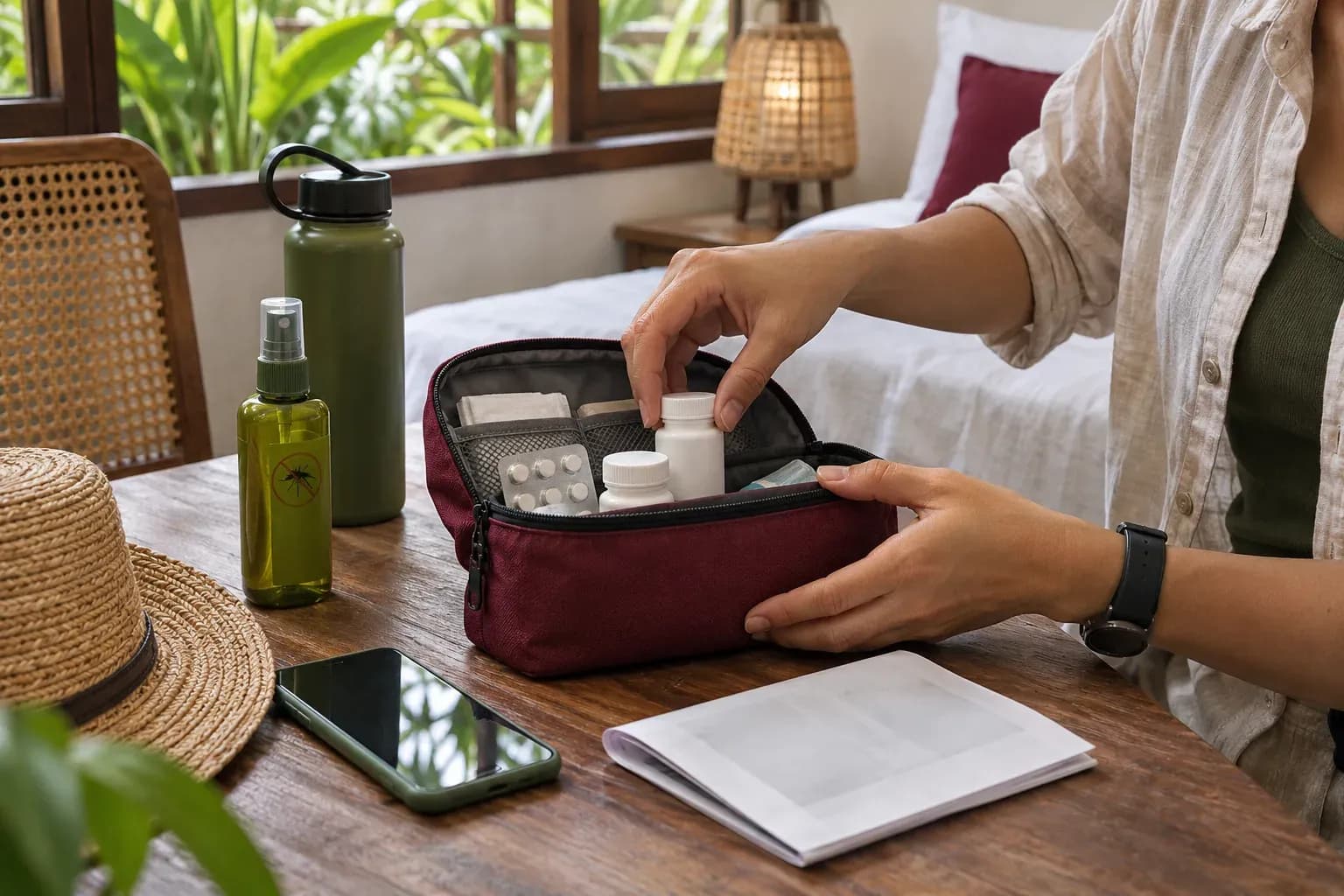
Vietnam travel insurance and health preparation
Choose travel insurance, prepare medicine and health documents, check activity exclusions and know how to obtain help during a Vietnam trip.
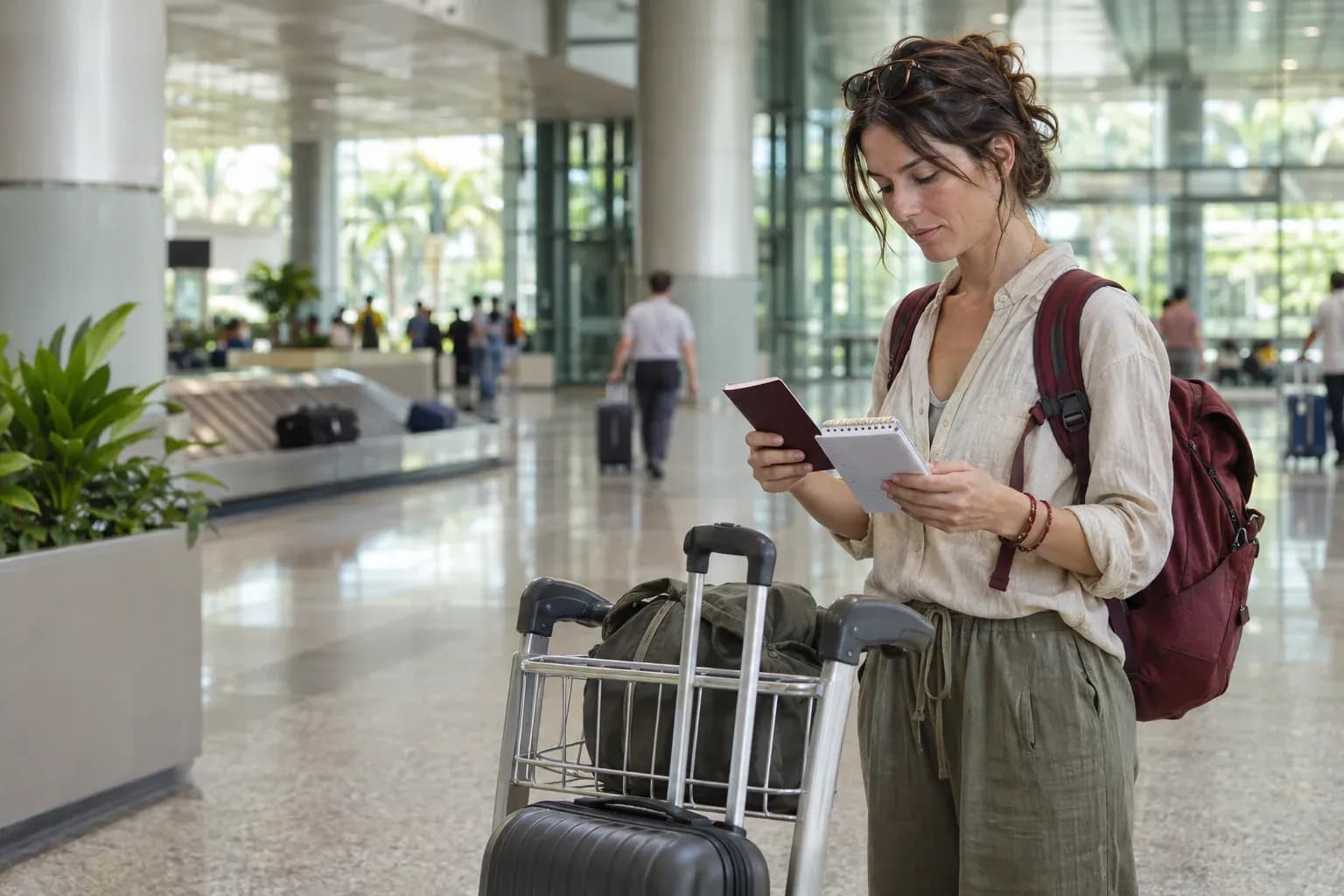
Vietnam airport arrival: immigration, bags and transfer
A step-by-step Vietnam airport arrival plan covering documents, immigration, baggage, customs, cash, connectivity, transfers and domestic connections.
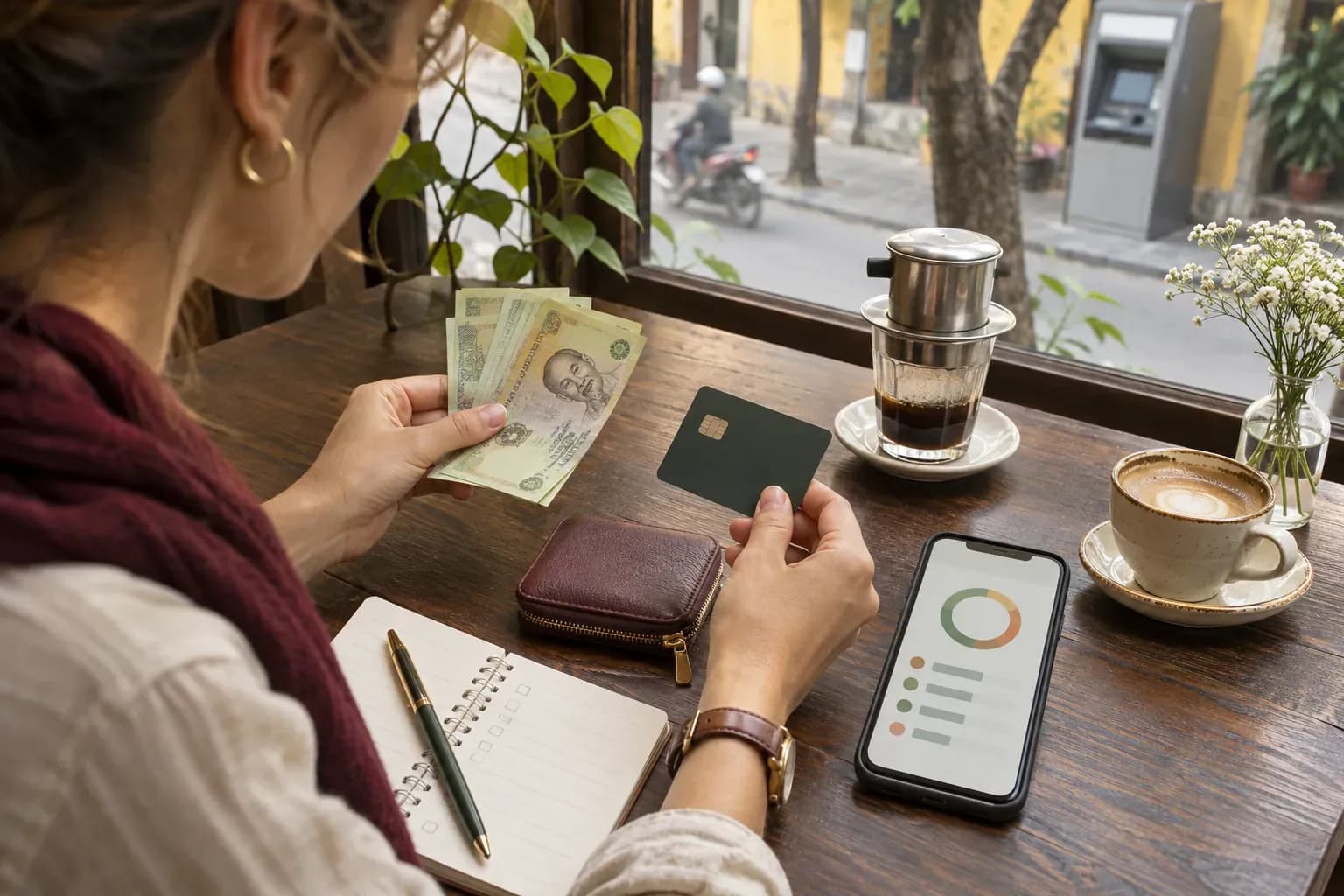
Money in Vietnam: cash, cards, ATMs and exchange
A practical system for using Vietnamese dong, cards and ATMs, avoiding unwanted conversion, protecting backups and recovering from payment problems.