
Ho Chi Minh City and the Mekong Delta in 5 days
A realistic five-day southern Vietnam route with two nights in Ho Chi Minh City, two nights in the Mekong Delta and a protected return for departure.
10 minute read · Updated
How this guide is researched and reviewed
5 days and 4 nights
Ho Chi Minh City and one Mekong Delta base
A southern loop returning to Ho Chi Minh City
Day 5 remains a transfer or departure buffer
Quick answer
Use Ho Chi Minh City for days 1–2, travel to one Mekong Delta base on day 3, stay through day 4, and return on day 5. An overnight stay is worthwhile when waterways, cycling or local life are a priority; keep the city instead if an international departure or limited energy makes the extra hotel change risky.
Route structure
- days 1–2Ho Chi Minh City2 nights
- days 3–4Mekong Delta2 nights
- days 5–5Ho Chi Minh City0 nights
Five-day southern route
Treat the Delta as a real overnight base only when it improves the experience enough to justify another transfer.
Ho Chi Minh City
- Days
- 1–2
- Nights
- 2
- Main decision
- Arrival recovery, neighbourhoods and food
Mekong Delta
- Days
- 3–4
- Nights
- 2
- Main decision
- One focused waterway and countryside experience
Ho Chi Minh City
- Days
- 5
- Nights
- 0
- Main decision
- Return with a safe onward-travel margin
The Mekong Delta is a large region, not one attraction. Confirm the exact town, pickup point and return plan before booking.
In this guide
Follow a 3-, 5- or 7-day southern Vietnam itinerary
All three plans start and end in Ho Chi Minh City. Count arrival and departure as travel days unless your tickets leave a real sightseeing window. That gives you two, four or six hotel nights.
3 days and 2 nights: keep one city hotel
Stay in Ho Chi Minh City for both nights. Use the middle day for the city or one focused Mỹ Tho or Bến Tre outing if you can protect the return.
Day 1: check in and find a meal near the room. If a flight lands late, leave the rest open.
Day 2: choose one city neighbourhood or one day trip. For the Delta, confirm the two rides and exact return point before paying.
Day 3: check out and protect departure. Keep any spare time near your accommodation or next boarding point.
If road conditions or a tour delay would threaten the return window, use a confirmed indoor visit in the city. Drop the excursion before cutting the departure buffer.
5 days and 4 nights: two nights in the city and two in the Delta
Follow the detailed route below. Keep day 3 for the move and day 4 for one local outing. For an early flight, change to two city nights, one Delta night and a last night in the city. Use day 4 for a confirmed morning option and the return, or go straight back if time is tight.
7 days and 6 nights: three city nights, two Delta nights and a final city night
Use Cần Thơ when a morning river activity is important. A different single Delta base can work when your main activity is elsewhere. Confirm the last ride to the accommodation and your day-six return before paying for a fixed outing.
Day 1: arrive and stay near the city hotel.
Day 2: use one central area for sights, food and rest.
Day 3: choose a second neighbourhood, such as Chợ Lớn, or keep a weather buffer in the city.
Day 4: transfer to the Delta base and save the evening for getting settled.
Day 5: choose one confirmed morning river activity or a land visit. Keep the afternoon flexible.
Day 6: check out and return to the city. Confirm the final hotel, onward pickup and terminal.
Day 7: protect departure. Add a short local stop only if the ticket leaves a real window.
If a late arrival makes the first city day unusable, keep the city visit on day 2 and leave day 3 flexible. Ask about the dock approach and boarding assistance before paying. Replace the boat with a confirmed land visit when access or weather changes.
Half a day in Ho Chi Minh City: downtown or Chợ Lớn
Choose downtown if you are starting near Bến Thành and want to pair history with a meal. Start at an open visitor entrance to Independence Palace, pick the exhibits or rooms you most want to see, then eat near Bến Thành. With an afternoon start, check whether you can still enter the palace. If you cannot, keep a meal and a short walk in the Bến Thành area.
Choose Chợ Lớn for the trading streets of the Chinese-Vietnamese neighbourhood if you have time for both rides. Start at Bình Tây Market. Take a short loop on a floor or aisle that suits the group, then eat in the surrounding streets. Add a second visit only if opening and timing are confirmed. Save a pickup pin on a street where your group can easily meet the driver.
For less walking, keep one visit and a nearby meal and use a car for one end of the outing. Ask about the entrance, steps from vehicle drop-off and seating. If you leave for Cần Thơ that day, set aside time to collect bags and reach the actual intercity pickup. Drop the second stop or go straight to the terminal if you run late.
A Cái Răng morning from pickup to the ride back
Stay in Cần Thơ the night before if Cái Răng is your main reason for the visit. That evening, agree on the pier name, meeting pin, boarding time and expected time back on land. Compare a Ninh Kiều departure with a road ride to an operator-confirmed pier nearer the market. Include the ride to the pier, any waiting and onward travel after disembarking.
Go to the exact meeting pin and confirm the drop-off point before boarding. Choose a market-focused ride if you want time for breakfast or the return. Ask what stops and equipment are included, the total for your group, which stops can be skipped and what safety equipment is available in suitable sizes. Add a workshop or garden only once the return fits.
For a same-day ride back to Ho Chi Minh City, book that seat first and work back from the intercity pickup. Include the ride from the pier to your bags, the onward ride and a buffer. If the boat runs late, drop the extra visit and eat on land or near your pickup. Change the date or stay another night if there is no workable return.
Eat close to the places you are already visiting
Ho Chi Minh City. Pair Independence Palace and Bến Thành with cơm tấm or bánh mì downtown. On the Chợ Lớn option, have lunch around Bình Tây Market and rest before the ride back. Look for seating and a toilet if needed. On transfer day, eat near your luggage or pickup point.
Cần Thơ. Plan hủ tiếu or bún riêu in the Ninh Kiều area before or after the boat, according to the time you confirmed. Treat breakfast on the river as optional if a vendor is present and it suits your group. Have a place on land in mind. If you have an afternoon coach, eat early near your bags and give the ride to the pickup its own time.
If you need to avoid an ingredient, name it and ask about stock, sauces, toppings and shared utensils. For a longer sit-down breakfast or a trip with children, pick a place on land in advance. Save the address offline and ask your accommodation to check opening if you are eating early.
A Cần Thơ morning on land if the boat falls through
Start with hủ tiếu or bún riêu near your accommodation. In light rain with passable roads, confirm that Cần Thơ Museum is open and pick one exhibition. Consider the ground floor for a group limiting stairs. If it clears, walk a short stretch of the Ninh Kiều waterfront. Then collect your bags or go to your confirmed pickup.
With a late start or only part of the morning free, choose the museum or the waterfront according to conditions and eat nearby. If there are closures, flooding or warnings, stay close to your accommodation and contact the operator to reschedule before setting out. If you are still in Ho Chi Minh City and the boat was the point of the trip, confirm changes to both the coach and the room before leaving.
Ask about steps or gaps from vehicle drop-off to the boat, sitting time, the landing point, toilets and how mobility aids can travel. For the museum, confirm the route from drop-off to your chosen floor and where you can sit. Keep breakfast on land if suitable boarding cannot be confirmed.
Count five calendar days and the hours you can use
The five-day route includes arrival on day 1 and the return or departure on day 5. Days 2 and 4 are the main activity days. Day 3 goes to changing bases. Count airport procedures, luggage, hotel transfers and rest before adding visits. If your ticket times leave only one full sightseeing day, use the three-day plan above.
Two hotel bases are enough. The route gains value from contrast: a dense urban start followed by quieter waterways and countryside. It loses value when the Delta becomes another name squeezed between airport deadlines. Protect a proper transfer day, avoid changing hotels for a single hurried night, and return to the city early enough that road traffic or a delayed pickup cannot threaten the next expensive commitment.
Days 1–2: begin with one part of Ho Chi Minh City
Use the first day to understand the area around the hotel rather than crossing the city repeatedly. District 1 can reduce travel for major landmarks; District 3 can offer a more residential rhythm while remaining central. The right choice depends on the final airport transfer, evening plans and tolerance for traffic noise. Check the room location within the building, not just the neighbourhood name.
On the full city day, choose one geographic cluster and leave room for food, coffee and heat recovery. A history-focused morning and a neighbourhood or food-focused afternoon usually works better than collecting distant stops. Road crossings, ride-hailing pickup points and midday weather consume real time. Keep the evening flexible if the international arrival was long or sleep has not adjusted.
Choose a day trip or an overnight stay
A day trip avoids a hotel change and can be sensible when time is short. It also concentrates several hours of road travel into one day and can turn the waterways into a fixed group sequence. Compare the complete day: pickup location, actual time in the Delta, boat segments, meal arrangements, group size and the return hour—not only the list of included stops.
An overnight stay creates a quieter morning and more control over pace. It is better for travellers who want cycling, a homestay-style experience or time beside the water without returning to the city after dark. The trade-off is luggage, another check-in and a second transfer. Choose one named town or accommodation base; ‘Mekong Delta’ alone is too broad to make a transport plan.
Day 3: make the Delta transfer the main event
Treat day 3 as a regional move, even when a map makes the distance look modest. Confirm whether transport leaves from the hotel, a bus station or an operator office, and where it ends. Add time for city traffic, a rest stop, luggage and the last connection to the accommodation. Do not attach a time-sensitive boat activity to an arrival that depends on several road links.
After check-in, use the remaining daylight close to the base. A short walk, bicycle ride with suitable conditions or a simple meal can orient the next day without forcing a checklist. Ask the accommodation what access is realistic now, but distinguish local advice from a sales promise. Keep the most important outdoor block movable until the weather and water conditions are clear.
Day 4: slow down in one Mekong area
Choose one primary experience for day 4: a focused waterway route, a countryside cycle, a market visit that genuinely operates at the relevant time, or slower time around the accommodation. Trying to combine distant towns and multiple boat routes recreates the same transfer pressure the overnight stay was meant to solve. The Delta rewards attention to one place more than a long list of brief stops.
Boat access, heat and rain can change the order of the day. Carry sun and rain protection, secure electronics, and use a life jacket when provided. Avoid treating a motorbike offer as proof that a visitor is licensed, insured or experienced enough to ride. A bicycle or guided passenger option can preserve the local perspective without adding an unnecessary legal or safety risk.
Day 5: protect the return and departure
Return to Ho Chi Minh City with a conservative margin. For an evening international flight, calculate backwards from the airline’s check-in requirement and add road uncertainty, terminal transfer and baggage handling. A same-day return can work, but it should not depend on the final possible bus or a multi-stop tour whose arrival time is only an estimate.
If the flight is early, return on day 4 and sleep in the city or near the appropriate airport route. If there is no fixed departure on day 5, use the day as a flexible return with lunch or a final neighbourhood stop after luggage is secured. The protected margin is not wasted time; it is what keeps the regional experience from making the rest of the trip fragile.
Choose the base before the activities
In Ho Chi Minh City, choose a base by the trips you will actually make: airport, station or pickup, evening food and one sightseeing cluster. In the Delta, choose a specific town and accommodation with clear arrival instructions. Ask whether the last leg needs a taxi, boat or pre-arranged pickup, and whether late arrival changes check-in or meal availability.
Compare final prices after taxes, breakfast, cancellation rules and transport to the pickup point. A cheaper room far from the departure point can cost more in time and rides. For an overnight Delta stay, confirm luggage storage, mosquito protection, bathroom arrangements and how weather affects any included activity. Do not infer standards from labels such as homestay without recent, specific evidence.
Book only the difficult parts
Book the international departure, the two accommodation bases and the route-defining transfer first. Then confirm any limited boat or cycling experience that is genuinely central to the stay. Ordinary meals, city rides and flexible neighbourhood time can remain open. Save addresses, tickets and the accommodation contact offline before leaving the city.
Recheck the official weather overview and the chosen operator shortly before travel. Exact bus schedules, fares, pickup points and activity access are volatile and must not be copied from an old itinerary. Keep a city-only fallback: if severe weather or transport disruption makes the overnight loop unreasonable, retain the Ho Chi Minh City hotel and move the Delta experience rather than forcing the original plan.
Before confirming the southern loop
- 01Count usable arrival and departure days
- 02Choose a specific Ho Chi Minh City neighbourhood
- 03Decide whether the Delta deserves an overnight stay
- 04Choose one named Delta base
- 05Compare the full door-to-door transfer
- 06Protect the final return margin
- 07Recheck weather, pickup point and operator details
Ho Chi Minh City and Mekong route questions
Read next
Continue with the decisions that most often follow this guide.

Mekong Delta day trip or overnight: which fits your time?
Compare a focused Mỹ Tho or Bến Tre day trip, a Cần Thơ overnight and an extra city day by time on the ground, total cost and the return deadline.
Ho Chi Minh City to Cần Thơ: coach, shared van or private car?
Compare a station coach, shared van and private car by exact pickup, drop-off, luggage and the last ride to your Cần Thơ stay.

What to book before Vietnam—and what to leave flexible
A practical booking timeline for entry documents, insurance, transport, accommodation, arrival setup and the decisions best left until Vietnam.

Getting around Vietnam: flight, train, bus or car
Compare domestic flights, trains, buses, vans, private cars and ferries, then protect the route with realistic booking order and transfer buffers.
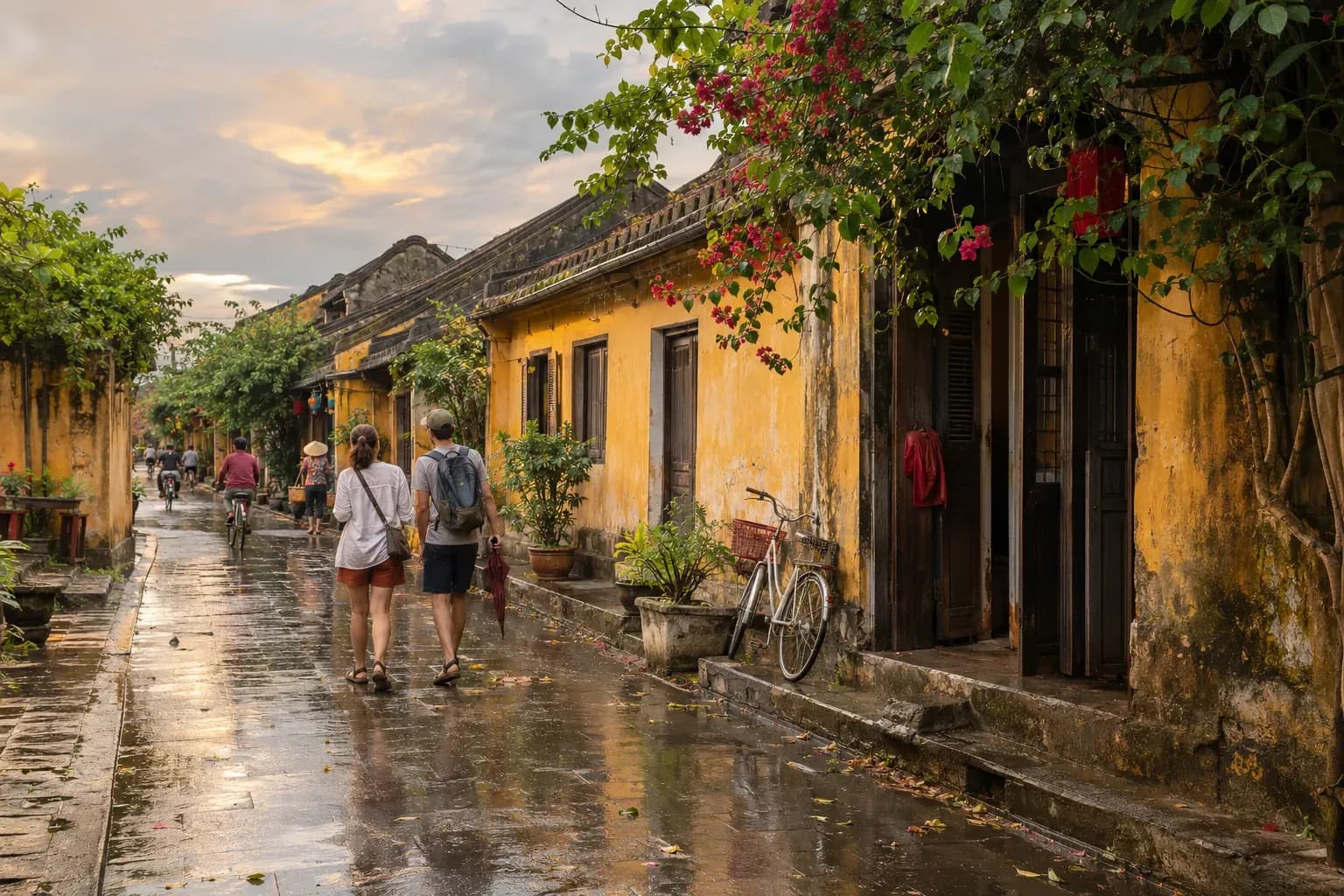
Best time to visit Vietnam: choose by region and route
A region-by-region weather guide for matching northern, central and southern Vietnam to your dates, activities and tolerance for heat or rain.

First trip to Vietnam: the decisions to make before you book
A complete first-time planning framework for entry requirements, weather, route length, money, connectivity, transport, packing and the first 24 hours.